
DHT Blocker Side Effects: The Full Risk Spectrum by Type
Men researching DHT blockers face a frustrating information gap. Search the topic and two extremes emerge: forum threads warning that these treatments will permanently destroy health, and telehealth marketing pages reassuring readers that side effects are essentially nonexistent. Neither extreme provides the actual data needed to make an informed decision about treating hair loss.
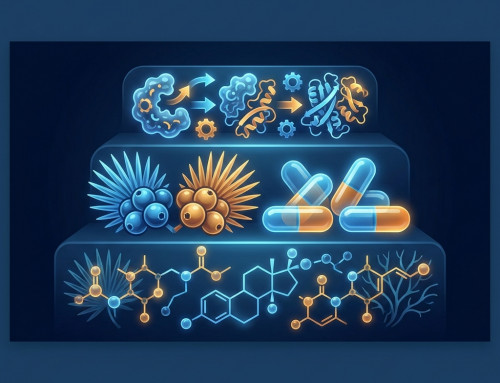
The core problem is that most content treats “DHT blocker” as if it were a single drug with a single side effect profile. It is not. The term describes a category spanning five distinct types of treatment, each with dramatically different risk levels: oral prescription 5-alpha reductase inhibitors (finasteride and dutasteride), topical prescription formulas, antifungal shampoos (ketoconazole), anti-androgens (spironolactone), and natural supplements (saw palmetto, pumpkin seed oil, and beta-sitosterol).
This article presents real clinical trial incidence statistics rather than vague “may occur” warnings. Readers will leave knowing actual percentages, not just cautionary language. It also covers two major 2025 regulatory developments that reshaped the conversation: the European Medicines Agency’s May 2025 confirmation of suicidal ideation as a finasteride side effect, and the FDA’s April 2025 warning on compounded topical finasteride. Understanding DHT blocker side effects by type is the foundation for choosing the right treatment.
Why DHT Blocker Side Effects Vary So Dramatically
Dihydrotestosterone (DHT) is the hormone most responsible for the follicle miniaturization that drives male pattern hair loss. It is produced when 5-alpha reductase enzymes convert testosterone into DHT. The critical insight is this: blocking that conversion systemically throughout the body produces a very different risk profile than blocking it locally on the scalp.
Systemic absorption is the primary driver of side effect severity. Oral prescription drugs reach the bloodstream and suppress DHT throughout the entire body. Topical prescription formulas have partial absorption. Antifungal shampoos have minimal absorption. Natural supplements have variable and generally low absorption. The more systemic the effect, the broader the potential for side effects beyond the scalp.
The two oral prescription drugs also differ from one another. Finasteride selectively inhibits Type II 5-alpha reductase and reduces serum DHT by roughly 65 to 70 percent. Dutasteride blocks both the Type I and Type II isoforms and suppresses serum DHT by 90 to 95 percent. This distinction is central to understanding their respective risk profiles.
Systemic DHT suppression matters beyond the scalp because 5-alpha reductase enzymes also regulate neurosteroid pathways in the central nervous system. This is the leading proposed mechanism behind reported mental health side effects. When the enzyme is inhibited throughout the body, it affects more than just hair follicles and the prostate.
One more concept deserves an early flag: the nocebo effect, the documented phenomenon where knowing about a side effect increases the likelihood of experiencing it. It plays a significant role in this topic and is addressed in detail later. With this framework in place, each DHT blocker type can be evaluated on its own terms.
Type 1: Oral Prescription 5-Alpha Reductase Inhibitors (Finasteride and Dutasteride)
Oral 5-alpha reductase inhibitors (5-ARIs) are the most clinically studied and most effective category of DHT blocker. They are also the category with the most documented side effect data. Two drugs make up this class for treating androgenetic alopecia: finasteride at 1 mg per day and dutasteride at 0.5 mg per day.
The sections below focus primarily on finasteride’s FDA-label data as the reference point, with dutasteride comparisons where evidence exists. For a deeper head-to-head breakdown, readers can consult Thryve Hair Lab’s dedicated dutasteride side effects article.
Sexual Side Effects: What the Clinical Trial Numbers Actually Show
The FDA-approved label for finasteride 1 mg, based on placebo-controlled trials, lists sexual adverse events with precision:
- Decreased libido: 1.8% on finasteride vs. 1.3% on placebo
- Erectile dysfunction: 1.3% on finasteride vs. 0.7% on placebo
- Ejaculation disorder: 1.2% on finasteride vs. 0.7% on placebo
Context matters here. The absolute difference between drug and placebo for erectile dysfunction is 0.6 percentage points, meaning roughly 1 in 167 men experiences ED attributable to the drug rather than to background rates that occur in any population.
Broader post-marketing estimates place sexual side effects at 2 to 4 percent of users, higher than the controlled trial data. This likely reflects real-world use outside the tightly controlled conditions of a clinical trial. The nocebo effect helps explain part of that gap. A landmark study in the Journal of Sexual Medicine found that 43.6 percent of men informed about potential sexual side effects reported experiencing them, compared to only 15.3 percent of men who were not informed (Journal of Sexual Medicine). That nearly threefold difference suggests a clinically significant share of reported cases may be expectation-driven rather than pharmacological.
Gynecomastia, or breast tissue enlargement, occurs in approximately 1.3 percent of men on 5-ARIs. For most men who experience sexual side effects, symptoms resolve after stopping the drug. The important exception to that pattern is addressed in the Post-Finasteride Syndrome section below.
Mental Health Side Effects: The 2025 Regulatory Turning Point
In May 2025, following an EU-wide safety review, the European Medicines Agency confirmed suicidal ideation as a side effect of finasteride 1 mg and 5 mg tablets. Most reported cases occurred in men using the 1 mg dose for hair loss. The EMA noted that the frequency of suicidal ideation could not be estimated from the available data, but concluded that the benefits still outweigh the risks for approved uses.
In June 2025, the EMA’s CMDh endorsed mandatory patient cards inside 1 mg finasteride packages as a risk minimization measure. In May 2026, the UK’s MHRA reinforced the same concerns around depression, suicidal ideation, and sexual dysfunction, representing a second major regulatory signal within twelve months.
The proposed biological mechanism connects back to neurosteroids. Because 5-alpha reductase inhibitors affect neurosteroid levels in the brain and not just DHT in the scalp and prostate, they may disrupt mood regulation pathways in a subset of users.
The practical clinical guidance is straightforward: healthcare professionals should monitor patients for mood changes, and any man who experiences depressed mood or suicidal thoughts should stop treatment and seek medical advice immediately. These are real risks that deserve serious attention. At the same time, regulatory bodies concluded the benefit-risk balance remains positive for most men. The key is informed consent and proper monitoring.
Post-Finasteride Syndrome: What the Evidence Actually Says
Post-Finasteride Syndrome (PFS) describes a condition in which sexual, neurological, and psychiatric symptoms persist after a man discontinues finasteride. Prevalence estimates carry genuine uncertainty. The Post-Finasteride Syndrome Foundation estimates it affects roughly 1 to 2 percent of users, while a 2017 Journal of Sexual Medicine review estimated 1 to 5 percent.
The science here is contested, not settled. PFS has no agreed diagnostic criteria and no definitive prevalence study. However, recent peer-reviewed work supports a biological basis. A 2025 PLOS ONE study noted that finasteride impairs neurosteroid levels in the brain and that sustained changes in androgen receptor and neurosteroid levels are associated with PFS. Findings published in the International Journal of Impotence Research reached similar conclusions.
Real-world pharmacovigilance adds context. A FAERS analysis reported up to 10,295 serious adverse events associated with finasteride as of June 2021, though FAERS data reflects reported events rather than confirmed causal relationships.
The balanced picture is this: PFS is real, acknowledged by both the FDA and EMA, and carries serious quality-of-life implications for those affected. Yet it affects a small minority of users, and the majority of men who experience side effects recover after stopping the drug. Neither catastrophizing nor dismissing the condition serves men well.
Finasteride vs. Dutasteride: Does Stronger DHT Suppression Mean More Side Effects?
It seems intuitive that dutasteride, which suppresses DHT by 90 to 95 percent versus finasteride’s 65 to 70 percent, would cause more side effects. The data challenges that assumption. A meta-analysis by Choi et al. found adverse event rates were actually slightly lower with dutasteride (7.6 percent) than finasteride (10.5 percent), though the difference was not statistically significant (P=0.201).
The pharmacokinetic difference that does matter is half-life. Dutasteride’s half-life is approximately five weeks, versus 6 to 8 hours for finasteride. This means dutasteride remains in the body far longer after the last dose, creating a longer risk window and making side effects harder to reverse quickly if they arise.
Researchers are actively exploring solutions. A 2025 JAAD International pilot study examined intermittent dutasteride dosing (twice or three times weekly) as a strategy to reduce the side effect burden while maintaining efficacy (JAAD International). For a full head-to-head comparison of finasteride vs. dutasteride side effects, including long-term data, see Thryve Hair Lab’s dedicated switching from finasteride to dutasteride article.
One absolute safety note: finasteride is contraindicated in pregnancy and can cause birth defects in male fetuses. Women of childbearing age should not handle crushed or broken tablets.
Type 2: Topical Prescription Finasteride, A Separate Risk Category
The regulatory context here is critical. There is no FDA-approved topical formulation of finasteride. Every topical finasteride product is compounded and lacks FDA-approved labeling, yet these products are widely sold by telehealth companies.
On April 22, 2025, the FDA issued a public safety warning about compounded topical finasteride. Between 2019 and 2024, 32 adverse event reports were filed with the agency, including erectile dysfunction, anxiety, suicidal ideation, brain fog, depression, fatigue, insomnia, decreased libido, and testicular pain. The most alarming aspect: most of these adverse events persisted after discontinuation. A Healio Dermatology expert Q&A noted that telehealth platforms aggressively market these products through search and television advertising, creating a significant consumer awareness gap.
There is counterbalancing real-world data. A retrospective analysis of 638,629 male patients prescribed compounded topical finasteride plus minoxidil found that only 2.7 percent of follow-up completers reported a side effect, with 80.4 percent reporting satisfaction (PMC). That study, however, has significant limitations: a retrospective design, no control group, self-reported outcomes, and substantial selection bias from the large number of patients who never completed follow-up.
The theoretical rationale for topical formulas is that lower systemic absorption should mean fewer systemic side effects. The FDA warning data suggests the reality may be more complex. Notably, a Phase II study of topical dutasteride 0.05 percent showed it outperformed oral finasteride 1 mg in hair count at 24 weeks with only modest systemic DHT changes, positioning topical dutasteride as a potentially lower-systemic-risk approach still under investigation (PMC).
The practical guidance: men considering topical finasteride from telehealth platforms should be aware of the FDA warning and discuss the unregulated compounding status with a licensed provider before starting.
Type 3: Antifungal Shampoos (Ketoconazole), Low Risk, Limited Role
Ketoconazole inhibits 5-alpha reductase locally on the scalp. It is not a systemic DHT blocker. Its regulatory status is important to understand: ketoconazole shampoo is FDA-approved only for dandruff and seborrheic dermatitis, not for hair loss. Any use as a DHT blocker is off-label.
Because systemic absorption is minimal, systemic hormonal side effects are not a realistic concern. Local side effects may include scalp irritation, dryness, or altered hair texture in some users. This makes ketoconazole the lowest-risk option in the DHT blocker category, but also the weakest in DHT-blocking potency and the thinnest in hair loss evidence.
In practice, ketoconazole works best as an adjunct to more potent treatments rather than as a standalone solution. Its value lies in being a low-risk addition to a broader protocol. For men exploring how to combine hair loss treatments safely, ketoconazole shampoo is often a sensible addition. Prescription-strength ketoconazole (2 percent) requires a doctor’s prescription, while over-the-counter versions (1 percent) are available but weaker.
Type 4: Anti-Androgens (Spironolactone), Primarily a Women’s Treatment
Spironolactone is used off-label as a DHT blocker primarily for women with androgenetic alopecia. It is generally not recommended for men because of its systemic anti-androgenic effects, which include gynecomastia, impotence, and significantly reduced libido. For most male patients, those effects are unacceptable.
For women, the side effect profile includes dizziness, fatigue, breast tenderness, and irregular menstrual cycles. Because spironolactone is a potassium-sparing diuretic that can cause birth defects, women taking it need reliable contraception along with regular blood pressure and potassium monitoring.
This section is included for completeness and for female readers researching DHT blocker side effects, since female pattern hair loss affects millions of women. For men, spironolactone is generally not appropriate. Newer topical anti-androgens such as clascoterone are being investigated as alternatives with potentially fewer systemic effects, covered in the emerging options section below.
Type 5: Natural DHT Blockers (Saw Palmetto, Pumpkin Seed Oil, Beta-Sitosterol), Mild Profile, Modest Efficacy
Natural DHT blockers offer significantly weaker DHT-blocking potency than prescription options, paired with a significantly milder side effect profile. Saw palmetto is the most studied of the group. Its common side effects are limited to mild gastrointestinal issues such as nausea, diarrhea, and constipation, with no documented hormonal side effects at standard doses.
A 2025 multicenter prospective study of 200 BPH patients found that saw palmetto at 320 mg per day produced efficacy comparable to finasteride and tamsulosin on urinary flow metrics, with all treatments well tolerated. That supports its safety profile, though BPH data does not translate directly to hair loss efficacy.
An important nuance often missed elsewhere: saw palmetto can interact with blood-thinning medications, including anticoagulants and antiplatelet drugs. Men on these medications should consult a doctor before use. Pumpkin seed oil and beta-sitosterol have more limited clinical trial data for hair loss specifically. Both are generally well tolerated, though gastrointestinal side effects are possible at high doses.
Men should set realistic expectations. Natural DHT blockers are not equivalent to prescription options in potency, so men with significant hair loss face a genuine trade-off between lower risk and lower efficacy. “Natural” also does not mean “risk-free”: high-dose supplements carry their own risks, and quality control in the supplement industry is inconsistent.
Side Effect Comparison at a Glance: All Five Types Ranked by Risk
| Type | Systemic Absorption | Primary Concerns | Documented Incidence | Regulatory Status | DHT-Blocking Potency |
|---|---|---|---|---|---|
| Ketoconazole shampoo | Minimal | Scalp irritation, dryness | Local only | FDA-approved (dandruff); off-label for hair | Weakest |
| Natural supplements | Low/variable | Mild GI, drug interactions | Mild GI issues | Supplement (unregulated) | Weak |
| Topical prescription (compounded) | Partial | ED, mood changes (FDA warning) | 2.7% real-world; 32 FDA reports | No FDA approval | Moderate |
| Oral 5-ARIs (finasteride/dutasteride) | Full | Sexual, mental health, PFS | 1.3 to 4% sexual; 1.3% gynecomastia | FDA-approved | Strongest |
| Anti-androgens (spironolactone) | Full | Gynecomastia, impotence (men) | High in men | Off-label | Moderate to strong |
Ranked from lowest to highest risk: ketoconazole shampoo, natural supplements, topical prescription formulas (with the FDA warning caveat), oral 5-ARIs, and anti-androgens for men specifically.
The key insight is that the highest-risk options are also the most effective. The risk-benefit calculation, not risk avoidance in isolation, is the central decision. Individual factors including age, baseline sexual function, mental health history, and medication interactions should shape the choice, which is precisely why licensed provider oversight matters.
What Happens If You Stop Taking DHT Blockers?
Discontinuation is a question competitor articles rarely answer with data. On hair loss outcomes, the pattern is consistent: hair loss typically returns within 6 to 12 months of stopping a 5-ARI, as DHT levels normalize and follicle miniaturization resumes. Men curious about what to expect over time can review the hair regrowth timeline for men for a month-by-month breakdown.
On side effects, the expected outcome for the majority of men is resolution after stopping the drug. The important caveat is that a subset of users report symptoms persisting for months or years afterward. This is the core of the PFS concern and echoes the FDA’s warning that compounded topical finasteride adverse events often persisted after discontinuation.
Dutasteride carries a specific consideration. Because of its roughly five-week half-life, it remains in the body far longer after the last dose than finasteride, whose half-life is only 6 to 8 hours. Side effects may therefore take longer to resolve after stopping dutasteride.
Clinical evidence suggests early discontinuation after symptom onset is associated with better recovery than continuing through symptoms. Men who experience concerning side effects should stop and consult a provider promptly, which reinforces the value of starting treatment with a licensed provider who can monitor for early signs.
Emerging Options: What’s Coming Next in DHT Blocking
The risk landscape is actively improving. Clascoterone is a topical androgen receptor inhibitor. Rather than blocking DHT production systemically, it blocks DHT from binding to androgen receptors directly at the hair follicle. In December 2025, its SCALP-1 and SCALP-2 Phase III trials announced breakthrough results, positioning clascoterone as a potential future option with negligible systemic absorption, which could eliminate systemic hormonal side effects entirely. It is not yet approved for androgenetic alopecia as of this article’s publication date, so it remains an emerging option rather than a current recommendation.
Topical dutasteride is developing along a similar theme. A Phase II study showed topical dutasteride 0.05 percent outperformed oral finasteride 1 mg in hair count at 24 weeks with only modest systemic DHT changes. For men concerned about current side effect profiles, the takeaway is reassuring: the field is developing options with better risk profiles, and the landscape will continue to evolve.
How to Minimize Risk When Using DHT Blockers
Understanding the data is one thing. Acting on it safely is what matters most. The following steps meaningfully reduce risk:
- Start under licensed provider supervision, not through unregulated online purchases. The FDA’s warning about compounded topical finasteride sold by telehealth platforms without proper oversight underscores why this matters.
- Disclose a full medical history, including mental health history, existing sexual function concerns, and all current medications, since these shape individual risk.
- Understand the nocebo effect before starting. Reading forums and expecting side effects raises the odds of experiencing them. Seek data-driven information from clinical sources.
- Know the early warning signs that warrant stopping: persistent sexual dysfunction, significant mood changes, depression, or suicidal thoughts. Stop and contact a provider immediately.
- Ask about intermittent dosing if concerned about dutasteride’s longer risk window, referencing the twice- or three-times-weekly protocols studied in 2025.
- Avoid compounded topical finasteride from unvetted telehealth platforms given the April 2025 FDA warning. If topical treatment is preferred, discuss it with a board-certified dermatologist or hair restoration specialist.
- Discuss prostate health. Historical cohort data showed 5-ARI users had a lower crude incidence rate of prostate cancer (892 per 100,000 person-years) versus untreated individuals (1,543 per 100,000), a potential benefit worth reviewing with a provider (PMC).
- Commit to consistent use if starting treatment. Stopping and restarting increases uncertainty around side effect patterns and reduces efficacy. The benefits of hair loss treatment adherence are well documented and worth reviewing before starting any regimen.
Conclusion: Matching Risk Tolerance to the Right DHT Blocker
DHT blocker side effects are not a single story. They are five distinct stories with dramatically different risk profiles, and choosing the right option means matching individual risk tolerance to the appropriate type. The data points covered here provide genuine decision-making clarity: the FDA-label incidence statistics for finasteride, the 2025 EMA ruling on suicidal ideation, the April 2025 FDA warning on compounded topical finasteride, and the meta-analysis showing dutasteride does not necessarily cause more side effects than finasteride despite its stronger DHT suppression.
The legitimate concerns are real. PFS exists, mental health risks are now confirmed by major regulatory bodies, and a subset of users experience persistent effects. These deserve honest acknowledgment. Equally true is the balancing perspective: the majority of men who use prescription DHT blockers tolerate them well, and regulators have concluded the benefits outweigh the risks for approved uses when patients are properly informed and monitored.
Thryve Hair Lab’s oral formulation uses dutasteride, whose side effect profile is comparable to finasteride, with a meta-analysis showing 7.6 percent versus 10.5 percent adverse event rates and a non-significant difference. The formula is doctor-formulated and requires licensed provider approval, directly addressing the oversight gap that made the FDA’s compounded topical finasteride warning necessary. The 2 to 3 minute medical questionnaire and licensed provider review are designed to identify men with contraindications or high-risk profiles before treatment begins.
Hair loss is treatable, the risks are manageable with the right information and the right provider, and the worst outcome is making a decision based on incomplete data.
Take the First Step With a Treatment Plan Built Around Your Risk Profile
Thryve Hair Lab is not a generic hair loss solution. It addresses the specific concerns raised throughout this article: doctor oversight, clinically backed ingredients, and a formulation with a favorable risk profile. The daily capsule uses oral dutasteride rather than the compounded topical finasteride flagged in the FDA warning, and every prescription is reviewed by a licensed provider before dispensing, backed by a team with over 100 years of combined clinical experience in hair restoration.
The 1-year satisfaction guarantee gives men a financial safety net that mirrors the theme of this article: making a considered decision without unnecessary risk.
Complete the 2 to 3 minute health assessment and have a licensed provider review your suitability. No office visit required.
For readers who want more information first, Thryve Hair Lab’s full comparison of dutasteride hair loss results and timeline is available for review. The process is private, the packaging is discreet, and the entire journey takes minutes, not weeks.