Nutrition for Hair Growth Men: The DHT-Nutrient Connection Explained
Introduction: Why Most Hair Loss Advice for Men Misses the Point
By age 35, two-thirds of American men experience noticeable hair loss. By age 50, approximately 85% have significantly thinning hair. These statistics from the American Hair Loss Association reveal an uncomfortable truth: male hair loss is not a rare condition affecting the unlucky few. It is the norm.
Yet despite this prevalence, most nutritional advice for men experiencing hair loss remains frustratingly generic. “Take biotin. Eat more protein. Try a multivitamin.” For men watching their hairline recede or their crown thin, this surface-level guidance produces little more than expensive urine and mounting frustration.
The problem with generic supplement advice is simple: it ignores the hormonal reality of male hair loss. Androgenetic alopecia accounts for over 95% of hair loss in men, making it the dominant issue requiring attention. This condition is driven primarily by dihydrotestosterone, commonly known as DHT. No amount of biotin alone will reverse what DHT is doing to susceptible follicles.
This guide takes a different approach. Rather than offering another vitamin checklist, it explains exactly how specific nutrient deficiencies accelerate DHT-driven follicle miniaturization. Men who understand this connection can make informed decisions about their nutritional strategy and recognize when medical intervention becomes necessary.
The information presented here is authoritative, medically grounded, and written specifically for men. It is not a generic wellness article repurposed with masculine stock photos.
Understanding DHT: The Hormonal Root Cause of Male Hair Loss
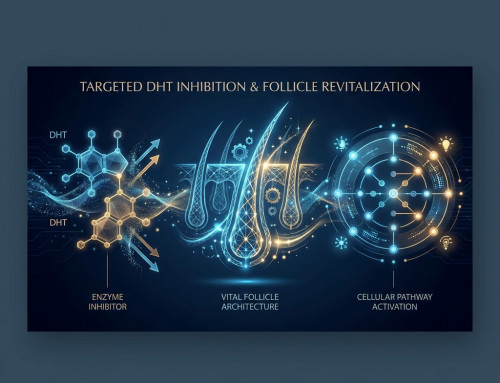
Dihydrotestosterone is a potent androgen derived from testosterone through the action of an enzyme called 5-alpha-reductase. While DHT plays important roles in male development, it also drives the progressive destruction of hair follicles in men with genetic susceptibility to androgenetic alopecia.
The mechanism works as follows: DHT binds to androgen receptors in genetically vulnerable follicles, triggering a process called follicle miniaturization. Over time, affected follicles progressively shrink. The anagen phase (the active growth phase of hair) shortens dramatically. Hair becomes thinner, shorter, and lighter in color with each cycle until the follicle eventually stops producing visible hair altogether.
Understanding the hair growth cycle provides essential context. Hair follicles cycle through four phases: anagen (growth, lasting 2 to 7 years), catagen (transition, lasting 2 to 3 weeks), telogen (resting, lasting approximately 3 months), and exogen (shedding). DHT’s primary damage occurs by shortening anagen and extending telogen, progressively reducing the time follicles spend actively producing hair.
An estimated 35 million men in the United States are affected by androgenetic alopecia, according to the International Society of Hair Restoration Surgery. This is not a niche problem.
The critical insight most content ignores: nutrition does not directly eliminate DHT. However, specific nutrient deficiencies can significantly amplify DHT activity and increase follicle vulnerability to its effects. This is the DHT-nutrient connection that makes targeted nutritional strategy meaningful for men with pattern hair loss. For a deeper look at the biological mechanisms involved, the science behind hair loss causes and evidence-based solutions provides additional clinical context.
The DHT-Nutrient Connection: How Deficiencies Accelerate Hair Loss
Certain nutrient deficiencies do not cause hair loss in isolation. Instead, they worsen DHT’s impact by increasing 5-alpha-reductase activity, impairing follicle repair mechanisms, and disrupting normal hair growth cycling.
A 2025 systematic review published in Frontiers in Nutrition confirmed that deficiencies in zinc, vitamin D, magnesium, selenium, vitamins B12 and E, and folic acid are all associated with androgenetic alopecia progression. This is not speculation. It is peer-reviewed evidence demonstrating measurable connections between nutritional status and hair loss severity.
The following sections examine each critical nutrient and its specific role in the DHT-hair loss pathway.
Zinc: The 5-Alpha-Reductase Regulator
Zinc plays a direct role in regulating 5-alpha-reductase activity. When zinc levels are deficient, this enzyme becomes more active, accelerating the conversion of testosterone to DHT. For men already genetically susceptible to androgenetic alopecia, zinc deficiency essentially amplifies the hormonal attack on their follicles.
Research confirms this connection. Men with androgenetic alopecia show measurably lower levels of zinc (along with copper, iron, and manganese) in hair sample analyses. Zinc also supports keratin synthesis, cell division in the hair matrix, and sebaceous gland function, making it critical for overall follicle health.
The best dietary sources of zinc include oysters, red meat, pumpkin seeds, legumes, and nuts. Pumpkin seed oil, a zinc-rich botanical, has demonstrated DHT-blocking properties in clinical studies.
One important caution: excess zinc supplementation can paradoxically worsen hair loss and interfere with copper absorption. This reinforces the “test first, supplement second” principle that applies to all hair-related nutrients.
Vitamin D3: The Follicle Cycle Activator
Vitamin D3 plays a crucial role in hair follicle cycling through the vitamin D receptor (VDR). This receptor is essential for initiating and sustaining the anagen phase. Without adequate VDR signaling, follicles struggle to re-enter active growth after shedding, leading to progressively thinner, shorter hair cycles.
The epidemiological evidence is compelling. A 2024 meta-analysis found that 47.38% of male androgenetic alopecia patients had vitamin D deficiency, significantly higher than rates in the general population. A 2025 prospective case-control study confirmed a significant inverse association between serum vitamin D levels and AGA severity in men.
The deficiency problem extends beyond men with hair loss. Approximately 41% of U.S. adults are insufficient in vitamin D, and around 29% are outright deficient. This makes vitamin D one of the most prevalent and correctable nutritional gaps affecting hair health.
Dietary sources include fatty fish like salmon and mackerel, egg yolks, and fortified foods. Sunlight exposure also triggers vitamin D synthesis in the skin. Vitamin D3 (cholecalciferol) is the preferred supplemental form over D2 for bioavailability and efficacy.
Biotin (Vitamin B7): Keratin Infrastructure Support
Biotin supports the production of keratin, the structural protein comprising approximately 95% of the hair shaft. It also participates in fatty acid synthesis that nourishes follicles.
Setting accurate expectations is essential. Biotin supplementation primarily benefits men with confirmed biotin deficiency. It is not a standalone hair loss cure for all men, despite its marketing popularity.
A 2024 randomized crossover trial evaluated oral biotin 5 mg daily versus topical minoxidil and their combination, finding meaningful results for hair growth rate. True biotin deficiency causes measurable hair thinning and loss. Modern diets high in processed foods and low in eggs and organ meats can create subclinical deficiency.
Biotin works synergistically with other B vitamins and zinc to support the metabolic processes fueling rapid hair cell division. The best dietary sources include eggs (especially yolks), salmon, sweet potatoes, nuts, and seeds.
The “biotin myth” deserves direct address: high-dose biotin alone will not reverse DHT-driven hair loss. It must be part of a broader nutritional and hormonal strategy.
Iron: Oxygen Delivery to the Follicle
Iron is required for hemoglobin production, which carries oxygen to hair follicles. Iron deficiency impairs the energy-intensive process of hair cell division during the anagen phase.
A 2025 systematic review in SAGE Journals found that iron supplementation positively impacts alopecia, reducing severity and promoting hair growth. While iron deficiency is more commonly discussed in women, it remains relevant for men with dietary restrictions, chronic illness, or high physical activity levels.
Iron deficiency can push follicles prematurely into the telogen phase, mimicking or compounding DHT-driven miniaturization. Serum ferritin (stored iron) is a more sensitive marker than hemoglobin for hair-related iron status. Men with low-normal hemoglobin but depleted ferritin can still experience hair loss.
Dietary sources include red meat, organ meats, lentils, spinach, and fortified cereals. Pairing iron-rich foods with vitamin C enhances non-heme iron absorption.
Iron supplementation without confirmed deficiency is not recommended and can cause harm. Testing serum ferritin is the appropriate first step.
Protein and Omega-3 Fatty Acids: The Structural and Anti-Inflammatory Foundation
Hair is composed primarily of keratin protein. Inadequate dietary protein directly limits the raw material available for hair shaft construction and follicle repair. Protein deficiency can trigger telogen effluvium (diffuse shedding) as the body prioritizes protein for vital organs over hair production.
The SAGE Journals 2025 review confirmed a positive association between protein intake and improvements in hair loss and hair density. The best protein sources for men include eggs, fatty fish, poultry, lean red meat, legumes, and Greek yogurt.
Omega-3 fatty acids nourish follicle cell membranes, maintain scalp hydration, and reduce chronic low-grade inflammation that impairs follicle function and worsens DHT sensitivity. The anti-inflammatory mechanism works through EPA and DHA reducing prostaglandin E2 and other inflammatory mediators that can sensitize follicles to DHT.
The best omega-3 sources include fatty fish (salmon, sardines, mackerel), flaxseeds, chia seeds, and walnuts. The Mediterranean diet, rich in these foods, is consistently cited by registered dietitians as among the best dietary patterns for hair health.
How Each Nutrient Maps to the Hair Growth Cycle
Understanding how nutrients support each phase of the hair growth cycle clarifies why a comprehensive approach outperforms single-nutrient supplementation.
Anagen (growth phase, 2 to 7 years): This phase requires vitamin D3 for VDR activation, iron for oxygen delivery, protein for keratin synthesis, zinc for cell division, and B vitamins for energy metabolism. DHT shortens this phase; these nutrients help sustain it.
Catagen (transition phase, 2 to 3 weeks): During this brief regression phase, antioxidants like vitamins C and E help protect follicles from oxidative stress.
Telogen (resting phase, approximately 3 months): Iron deficiency and vitamin D deficiency can extend this phase, delaying re-entry into anagen. Zinc and biotin support the follicle’s readiness to resume growth.
Exogen (shedding phase): Normal shedding of 50 to 100 hairs per day occurs during this phase. Nutrient deficiencies that impair anagen re-entry lead to visible thinning over time.
DHT’s primary damage mechanism involves shortening anagen and extending telogen. The nutrients discussed throughout this article directly counteract those mechanisms.
Why a Synergistic Multi-Nutrient Approach Outperforms Isolated Supplementation
Nutrients do not work in isolation. Zinc enhances vitamin D receptor function. Vitamin D improves zinc absorption. Biotin requires B-complex cofactors. Iron needs vitamin C for optimal uptake. This nutritional synergy explains why multi-ingredient formulas consistently outperform single-nutrient products.
Market data reflects this reality: multi-ingredient blends held 67.92% of the hair supplement market in 2025, demonstrating consumer and clinical recognition that single-nutrient products underperform.
The Frontiers in Nutrition 2025 systematic review found that dietary supplements may be more effective for androgenetic alopecia when used in combination with topical or medical therapy. A 2025 randomized, double-blind, placebo-controlled trial demonstrated that a multi-ingredient nutraceutical combining saw palmetto, ashwagandha, vitamin E, curcumin, and vitamins was effective and safe for improving hair growth and quality in men.
Isolated high-dose supplementation carries risks. Excess vitamin A, zinc, or vitamin D can paradoxically worsen hair loss. A complete, balanced formula mitigates this risk.
The “test first, supplement second” principle remains paramount. Blood testing for vitamin D, ferritin, zinc, and biotin levels allows targeted supplementation rather than guesswork.
Foods That Actively Harm Hair Growth in Men
Nutritional hair health includes understanding what to avoid.
High sugar and processed foods disrupt hormonal balance, promote insulin resistance, and can elevate androgens, worsening DHT sensitivity. The SAGE Journals 2025 review found a correlation between sugary beverage consumption and increased hair loss.
Alcohol was associated with increased hair loss in the same 2025 systematic review. Alcohol depletes zinc, B vitamins, and iron: three of the most critical hair nutrients.
Crash dieting and severe caloric restriction trigger telogen effluvium by depriving follicles of the energy and protein needed for growth.
Excess vitamin A paradoxically causes hair loss when consumed in very high doses, a risk with unregulated supplement stacking.
Highly processed vegetable oils promote systemic inflammation that can impair follicle function and increase DHT sensitivity.
Small dietary adjustments can meaningfully reduce the nutritional factors that amplify DHT-driven hair loss. For practical guidance on building habits that support follicle health, top hair care tips for healthy, strong hair offers actionable recommendations.
Nutrition Alone Is Not Enough: The Role of Medical Treatment
Directness serves men better than false promises. Nutrition optimizes the follicle environment and reduces DHT amplification, but it cannot reverse established androgenetic alopecia on its own.
DHT-blocking medical treatments address the hormonal root cause directly. Nutrition supports and enhances their effectiveness. The Frontiers in Nutrition 2025 finding confirms that supplements are more effective for AGA when used in combination with topical or medical therapy.
Thryve Hair Lab’s 4-in-1 formula represents the logical integration of this approach. It combines dutasteride (which blocks both Type I and Type II 5-alpha-reductase enzymes), minoxidil (which stimulates follicle regrowth), biotin (which supports keratin production), and vitamin D3 (which nourishes follicle health) in a single daily capsule.
Dutasteride is positioned as superior to finasteride for DHT blocking because it targets both enzyme types versus finasteride’s single-type inhibition.
Clinical results typically begin at 3 to 6 months, with peak improvement at 9 to 12 months, consistent with the hair growth cycle timeline. According to Thryve Hair Lab, 97 to 98% of men on their formula stop further hair loss, and 90% see visible improvement in thickness and coverage within 3 to 6 months.
The earlier DHT-driven miniaturization is addressed, both nutritionally and medically, the more follicles can be preserved.
What to Expect: A Realistic Timeline for Nutritional and Medical Hair Support
Unrealistic expectations are the most common reason men abandon hair loss interventions. Understanding the biology prevents premature frustration.
Hair grows approximately 0.5 inches per month. The anagen phase must be re-established before visible growth occurs. This takes time.
Nutritional improvements: Correcting deficiencies in vitamin D, iron, and zinc can reduce shedding within 4 to 8 weeks. Visible density improvements typically require 3 to 6 months of consistent intake.
Medical treatment timeline: Minoxidil and dutasteride follow a similar 3 to 6 month window for initial results, with continued improvement through 9 to 12 months.
Combined approach timeline: Men using both nutritional optimization and medical treatment are positioned for the best outcomes. Each component reinforces the other.
Initial increased shedding with some treatments is temporary and indicates follicle cycling is being stimulated.
Consistency is the determining factor. Sporadic supplementation or treatment abandonment is the primary reason men fail to see results. Men who want to see what consistent treatment can achieve may find Thryve before and after results a useful reference for setting realistic expectations.
Conclusion: Nutrition and DHT Are Not Separate Problems
Male hair loss is driven by DHT. Specific nutritional deficiencies, particularly in vitamin D3, zinc, biotin, and iron, directly amplify DHT’s destructive impact on follicles. This is the DHT-nutrient connection that transforms generic supplement advice into targeted strategy.
No single supplement addresses the full spectrum of nutritional gaps that accelerate androgenetic alopecia. A synergistic approach aligned with the hair growth cycle is required.
Hair loss affects confidence, self-image, and quality of life. Taking informed, evidence-based action is both a health decision and a confidence investment.
The hierarchy of intervention is clear: optimize nutrition first, avoid dietary triggers, and combine with clinically proven medical treatment for the most complete and durable results.
Men who understand the DHT-nutrient connection are equipped to make smarter decisions about their hair health. The solutions available today are more effective and convenient than ever.
Take the Next Step: Address the Root Cause With a Complete Formula
Optimizing nutrition is a meaningful step. Pairing it with a clinically designed formula that addresses DHT directly represents the most complete approach available.
Thryve Hair Lab’s 4-in-1 daily capsule combines dutasteride, minoxidil, biotin, and vitamin D3. Each ingredient serves a specific, clinically grounded role in the DHT-hair loss pathway explained throughout this article.
The convenience factor matters: one capsule per day, no office visits, doctor-reviewed prescription, 2-day FedEx delivery, and a 1-year satisfaction guarantee. The formula was developed by specialists with over 100 years of combined clinical experience in hair restoration.
Complete the free 2 to 3 minute online consultation today and find out if Thryve’s formula is the right fit.
Full refunds are issued if treatment is not approved. The 1-year satisfaction guarantee applies if results are not visible with consistent use.
The clinical truth remains: the earlier DHT-driven hair loss is addressed, the more follicles can be preserved. Early action produces better outcomes.