Biotin and Hair Loss in Men: What the Science Actually Shows in 2026
Introduction: The Biotin Question Men Keep Getting Wrong
Biotin ranks among the most purchased hair supplements in the United States. Yet the vast majority of men buying it are solving the wrong problem.
Men experiencing thinning hair, receding hairlines, or crown loss deserve straight answers rather than supplement marketing. This article provides an honest audit of the science. It will not cheerleader biotin or dismiss it entirely. Instead, it will explain exactly when biotin works, when it does not, and why the real question is what biotin works with.
The scale of male hair loss makes this conversation urgent. Between 30 and 50 percent of men experience androgenetic alopecia by age 50, making it the most common form of hair loss. The primary driver of this condition is DHT (dihydrotestosterone), a hormone that biotin does not directly address. This fundamental disconnect sets up the core tension every man researching biotin needs to understand.
This article serves as the definitive resource on biotin and hair loss in men, grounded in 2026 science.
What Biotin Actually Is (and What It Does in the Body)
Biotin is a water-soluble B-vitamin, also known as vitamin B7. It acts as a coenzyme in carboxylase reactions throughout the body.
In practical terms, biotin supports the metabolic pathways that supply amino acid precursors and energy substrates required for keratinocyte protein synthesis. Keratinocytes are the cells that produce keratin, the structural protein forming the foundation of hair fibers. Without adequate biotin, these metabolic pathways cannot function optimally.
However, biotin is not a hair-specific nutrient. It supports broader metabolic functions including fatty acid synthesis and energy metabolism throughout the body.
The NIH establishes an adequate intake benchmark of just 30 mcg per day for adults. Most healthy men already consume 35 to 70 mcg daily through food alone. Eggs, salmon, nuts, seeds, and sweet potatoes all contain meaningful amounts of biotin, meaning dietary deficiency is rare in men eating a reasonably varied diet.
Because biotin is water-soluble, the body cannot store it. This requires consistent daily intake to maintain adequate levels. The entire case for biotin supplementation hinges on whether a man actually needs more of it.
How Rare Is Biotin Deficiency, and Who Actually Has It?
True biotin deficiency is estimated to affect fewer than 1 in 137,000 people according to clinical literature.
The actual risk groups include men with inherited enzyme disorders (biotinidase or holocarboxylase deficiency), those on prolonged antibiotic use, individuals consuming excessive raw egg whites, men with malabsorption conditions, and those taking certain medications like valproic acid.
Biotin deficiency does cause thinning hair and loss of body hair. This is where the supplement industry’s marketing originates. The connection between biotin deficiency and hair loss is real, but the application to the general population is where the science diverges from the marketing.
A critical nuance exists here: there is a meaningful difference between true deficiency and suboptimal biotin status. This distinction matters significantly for men with androgenetic alopecia.
A 2019 study published in the Journal of Cosmetic Dermatology examined 60 men with male androgenetic alopecia compared to 60 matched controls. The men with pattern hair loss had suboptimal serum biotin levels (P=0.01), though neither group was truly deficient.
This finding suggests men with pattern hair loss may not be deficient, but they may be running lower than optimal. This nuanced finding supports supplementation without overclaiming that biotin alone will solve the problem.
What the Science Actually Shows: Biotin and Hair Loss in Men
A comprehensive 2024 literature review in the Journal of Clinical and Aesthetic Dermatology concluded there is “a large discrepancy between the public’s perception of biotin’s efficacy and the scientific literature.”
A 2017 systematic review examining 18 reported cases found that every patient who showed clinical improvement from biotin supplementation had an underlying pathology. None were healthy individuals with normal biotin levels.
In vitro evidence reinforces this limitation. Research has demonstrated that proliferation and differentiation of normal, non-pathologic follicular keratinocytes are NOT influenced by biotin. The vitamin does not universally stimulate hair growth in healthy tissue.
Clinical studies that do show hair shaft thickening typically use doses of 2 to 5 mg daily and require at least 90 to 120 days of consistent use. Even then, the effect targets hair quality rather than hairline regrowth.
The bottom line is direct: if a man is healthy without a deficiency or suboptimal biotin status, taking biotin alone is unlikely to stop his hair loss or regrow his hairline. The science does not support biotin as a standalone treatment for androgenetic alopecia. The primary driver of pattern hair loss is DHT, not biotin levels.
The Study That Changes the Conversation: Biotin Alone vs. Biotin Combined
A 2024 landmark randomized crossover clinical trial published in PMC/Anais Brasileiros de Dermatologia provides pivotal evidence that shifts the conversation entirely.
The study design was straightforward: 10 healthy men compared oral biotin alone (5mg per day for 14 days) versus topical minoxidil alone versus the combination of both treatments.
The key finding was unambiguous. Biotin alone did NOT produce a statistically significant increase in hair growth rate in healthy men.
However, the combination finding tells a different story. Only the minoxidil plus biotin group showed a significant improvement (p=0.02).
In practical terms, biotin appears to function as a synergistic support ingredient. It amplifies the effectiveness of proven actives rather than acting as a primary treatment on its own.
This finding answers the central question. The right question is not “does biotin work?” but rather “what does biotin work with?” The science now has a clear answer.
Why Biotin Alone Cannot Stop Male Pattern Hair Loss
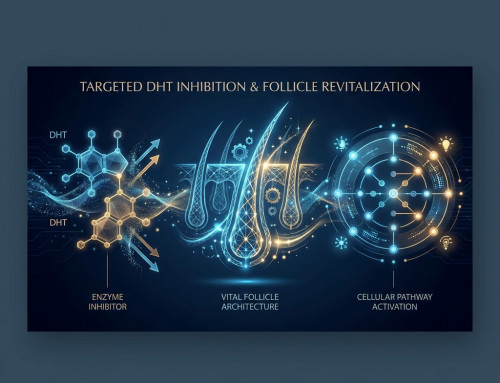
Male androgenetic alopecia is driven by dihydrotestosterone (DHT) binding to androgen receptors in hair follicles. This binding causes follicles to miniaturize and eventually stop producing hair entirely.
Biotin has no mechanism that blocks DHT, reduces androgen sensitivity, or reverses follicle miniaturization. It simply cannot address the root cause of pattern hair loss.
The contrast is clear. Biotin’s role involves supporting keratin production and hair fiber quality. Stopping pattern hair loss requires DHT blocking and follicle stimulation. These are fundamentally different functions.
Consider an analogy: taking biotin for DHT-driven hair loss is like adding premium fuel to a car with a failing engine. The fuel quality does not fix the underlying mechanical problem.
Market data reflects this understanding. Multi-ingredient hair supplements accounted for 66.6% of the hair supplement market share in 2025, reflecting a consumer and clinical shift toward comprehensive, multi-mechanism approaches.
The most effective approaches combine biotin’s nutritional support role with ingredients that directly address the hormonal and follicle-level drivers of hair loss. Understanding the science behind hair loss causes and evidence-based solutions helps clarify why no single ingredient can address all the mechanisms involved.
The Dose Question: How Much Biotin Actually Matters
The market presents a confusing range. Doses span from 30 mcg (the NIH adequate intake) to 10,000 mcg in some standalone supplements. This represents a 333-fold difference.
Clinical studies actually showing benefits typically use doses of 2 to 5 mg (2,000 to 5,000 mcg) for hair shaft thickening outcomes, requiring 90 to 120 days minimum.
Mega-dose biotin (5,000 to 10,000 mcg) is not necessarily better and may carry real risks.
The FDA issued safety communications in 2017 and 2019 warning that high-dose biotin supplements above approximately 5mg can interfere with immunoassay lab tests. Affected tests include thyroid function (TSH, T3, T4), troponin (a cardiac marker), testosterone, and estradiol. One reported patient death resulted from a falsely low troponin result. This is not a theoretical risk.
Many supplements contain biotin at levels up to 650 times the recommended daily intake, creating lab interference risk most men are unaware of.
A moderate, conservative dose (such as 1mg or 1,000 mcg) represents a measured, responsible approach. This level sits well above the 30 mcg adequate intake while avoiding the documented risks of mega-dosing.
The Honest Verdict: When Biotin Helps, When It Does Not, and What It Works Best With
When Biotin Helps
Biotin provides value under specific circumstances. Men with a confirmed biotin deficiency (rare, but real) will benefit. Those with suboptimal biotin status, a more common scenario in men with androgenetic alopecia based on the 2019 study, may also see improvements.
Biotin helps when used as a nutritional support layer alongside proven DHT-blocking and follicle-stimulating treatments. It can improve hair shaft quality, thickness, and texture, though it will not reverse a receding hairline on its own.
Consistent daily use for a minimum of 90 to 120 days is required for any potential benefit.
When Biotin Does Not Help
Biotin fails to deliver results for healthy men with normal biotin levels taking it as a standalone hair loss treatment. It cannot block DHT or reverse follicle miniaturization because it has no mechanism to accomplish either.
Mega-dose biotin (5,000 to 10,000 mcg) taken without awareness of the lab test interference risk represents a poor choice. Inconsistent use undermines any potential benefit because biotin is water-soluble and cannot be stored.
Treating biotin as a substitute for clinically proven treatments like minoxidil or DHT blockers will lead to disappointment.
What Biotin Works Best With
Minoxidil: The 2024 crossover trial showed the combination significantly outperformed either ingredient alone (p=0.02).
DHT blockers (dutasteride or finasteride): These address the root hormonal cause of androgenetic alopecia that biotin cannot touch.
Vitamin D3: This nutrient supports follicle health and nourishment. Men with hair loss frequently show suboptimal vitamin D levels.
Saw palmetto: A 2026 clinical study found standardized saw palmetto extract increased total hair count significantly compared to placebo, with sustained benefits confirmed at 180 days.
Biotin functions as a foundational nutritional support layer within a comprehensive, multi-mechanism hair health system rather than as the primary active ingredient.
Why the Multi-Ingredient Approach Is Now the Clinical Standard
The market has shifted decisively. Multi-ingredient hair supplements accounted for 66.6% of the hair supplement market share in 2025. The industry has moved beyond single-ingredient biotin products.
The clinical logic is sound. Male pattern hair loss is a multi-factorial condition involving DHT, follicle miniaturization, reduced blood flow, and nutritional factors. No single ingredient addresses all of these mechanisms.
The gap most men fall into is predictable. They start with standalone biotin because it is accessible and inexpensive. Then they lose months of treatment time before discovering it is not addressing the actual cause of their hair loss.
The evidence points consistently toward combination therapy. The 2024 trial, the suboptimal biotin status finding in pattern hair loss patients, and the DHT mechanism all support the same conclusion: comprehensive, multi-mechanism treatment is more effective than any single ingredient. New breakthroughs in hair growth research continue to reinforce this multi-mechanism approach as the clinical standard.
How Thryve Hair Lab Approaches Biotin, and Why It Makes Clinical Sense
Thryve Hair Lab’s 4-in-1 formula represents a practical application of the multi-ingredient clinical logic established throughout this article.
Each ingredient serves a specific role in the system. Dutasteride (0.5mg) blocks both Type I and Type II DHT enzymes, providing more comprehensive DHT blocking than finasteride, which only targets Type II. Minoxidil (2.5mg) stimulates follicle regrowth via improved blood flow; it is also the ingredient the 2024 trial showed works synergistically with biotin.
Biotin (1mg) supports keratin production and hair fiber quality. This measured, conservative dose avoids mega-dose lab interference risks while addressing the suboptimal biotin status common in men with androgenetic alopecia. Vitamin D3 (600 IU) nourishes and promotes follicle health, addressing another nutritional factor frequently suboptimal in men with hair loss.
The 1mg biotin dose is positioned above the 30 mcg NIH adequate intake and well below the 5,000 to 10,000 mcg mega-dose products. It serves as a responsible supportive dose rather than a therapeutic overclaim.
The formula was developed by a team with over 100 years of combined clinical experience in hair restoration, including board-certified hair surgical specialists and transplant surgeons. The telehealth model provides doctor-reviewed prescription access with no office visit required and 2-day FedEx delivery.
A 1-year satisfaction guarantee reduces risk for men considering the commitment.
What Men Should Realistically Expect from a Comprehensive Hair Loss Treatment
Honest expectations matter. Hair grows only 1 to 1.3 cm per month. Visible changes from any treatment require a minimum of 90 to 120 days, with peak improvement typically at 9 to 12 months.
Reduced shedding typically precedes visible regrowth. This is a sign the treatment is working, not failing.
Consistency is non-negotiable. Biotin is water-soluble and cannot be stored. All active ingredients require consistent daily use to maintain therapeutic levels.
Early action matters significantly. Hair follicles that have been dormant for years are harder to reactivate than follicles in early stages of miniaturization. The sooner treatment begins, the better the outcome.
Clinical outcomes show that 97 to 98 percent of men on Thryve’s formula stop further hair loss, and 90 percent see visible improvement in thickness and coverage within 3 to 6 months. Thryve before and after results illustrate what this progression looks like in real patients.
Hair loss affects confidence and self-image. A comprehensive, clinically sound approach is not vanity. It is taking control of a condition that has a real impact on how men feel about themselves.
Conclusion: Stop Asking If Biotin Works, Start Asking What It Works With
The science is clear. Biotin alone is not a meaningful treatment for male androgenetic alopecia in healthy men.
Biotin legitimately contributes nutritional support for hair fiber quality, potential benefit for men with suboptimal biotin status, and a synergistic role when combined with proven actives.
The honest verdict: biotin is a valuable piece of a comprehensive hair health system, not the system itself.
The clinical logic of the multi-ingredient approach addresses the full picture of male hair loss. DHT blocking, follicle stimulation, and nutritional support working together produce results that no single ingredient can match.
Men who understand the actual science are better positioned to make decisions that produce real results. That understanding starts with asking the right question.
Ready to Move Beyond Biotin? Start with a Formula Built for Real Results.
For men who now understand why biotin alone is not enough, the logical next step is clear.
Thryve Hair Lab offers one daily capsule combining dutasteride, minoxidil, biotin, and vitamin D3. This is the multi-mechanism approach the science supports.
The process is straightforward: a 2 to 3 minute online questionnaire, licensed provider review within 1 business day, and 2-day FedEx delivery with no office visit required.
The 20-week plan costs $67 per month with free shipping, compared to approximately $135 per month purchasing ingredients separately. A 1-year satisfaction guarantee provides assurance, and men can cancel anytime.
Every month of delay is a month of continued follicle miniaturization that becomes harder to reverse. The science is clear. The solution is available. The time to act is now.